
How Long Does Solar Panel Installation Take?
Most residential solar installations take 45-90 days from contract to activation. See what affects the timeline and how Sunwise keeps your project moving.
In this article
Most residential solar installations take 45 to 90 days from signed contract to system activation. The physical installation itself typically takes less than a day. The rest of the timeline involves engineering, permitting, and waiting for utility approval, are steps that ensure your system is safe, code-compliant, and built to perform for decades.
If you’re evaluating whether solar fits your schedule, planning around a home sale, a roof replacement, or seasonal energy costs, understanding the realistic timeline helps you plan your project and know what to expect at each stage.
The Short Answer: What to Expect
For a typical residential system in Pennsylvania, New Jersey, or Delaware:
| Phase | Timeline |
|---|---|
| Site assessment & system design | 1–3 weeks |
| Permitting & utility application | 2–8 weeks |
| Installation | Less than a day |
| Inspection | 1–2 weeks |
| Permission to Operate (PTO) | 2–6 weeks |
| Total | 45–90 days |
The physical work on your roof is the shortest part. The majority of the timeline is paperwork, approvals, and coordination with your municipality and utility, none of which disrupts your daily life.
Why the Range? What Affects Your Timeline
The 45-to-90-day range exists because timelines vary by location, system complexity, and external approval processes. Here’s what moves the needle:
Permitting Speed
Municipal review timelines vary significantly across Pennsylvania, New Jersey, and Delaware. Some townships approve permits within 1 to 2 weeks. Others, particularly in parts of New Jersey with higher application volume, can take 4 to 8 weeks.
Sunwise Energy is familiar with local permitting offices throughout our service area and sets expectations based on your specific municipality.
Utility Interconnection Queues
Your utility must approve the solar connection and schedule meter changes before your system can go live. Processing times depend on utility backlog:
- PECO, PPL, FirstEnergy (PA): Typically 2–4 weeks for PTO
- PSE&G, JCP&L, Atlantic City Electric (NJ): 3–6 weeks during busy periods
- Delmarva Power (DE): Generally falls in between
Your municipality and utility set these timelines. Sunwise prepares the submissions, tracks each review and follows up proactively.
System Size and Complexity
A straightforward 8–12 kW rooftop system moves faster than a project involving:
- Ground-mounted arrays
- Battery storage integration
- Electrical panel upgrades (common in older homes with 100-amp service)
- Complex roof geometry with multiple orientations
Larger residential systems or those with add-ons may require additional engineering review and extend the design phase by a week or two.
Roof Condition
If your roof needs replacement before solar can be installed, that work should happen first. Coordinating both projects together prevents the cost of removing and reinstalling panels later, see New Roof & Solar: The Smartest Home Upgrade Bundle.
HOA Approval
If your community requires architectural review, submit the request immediately after signing. Some HOAs take weeks to respond, and this process runs parallel to, not after, engineering and permitting.
What the Installation Day Actually Looks Like
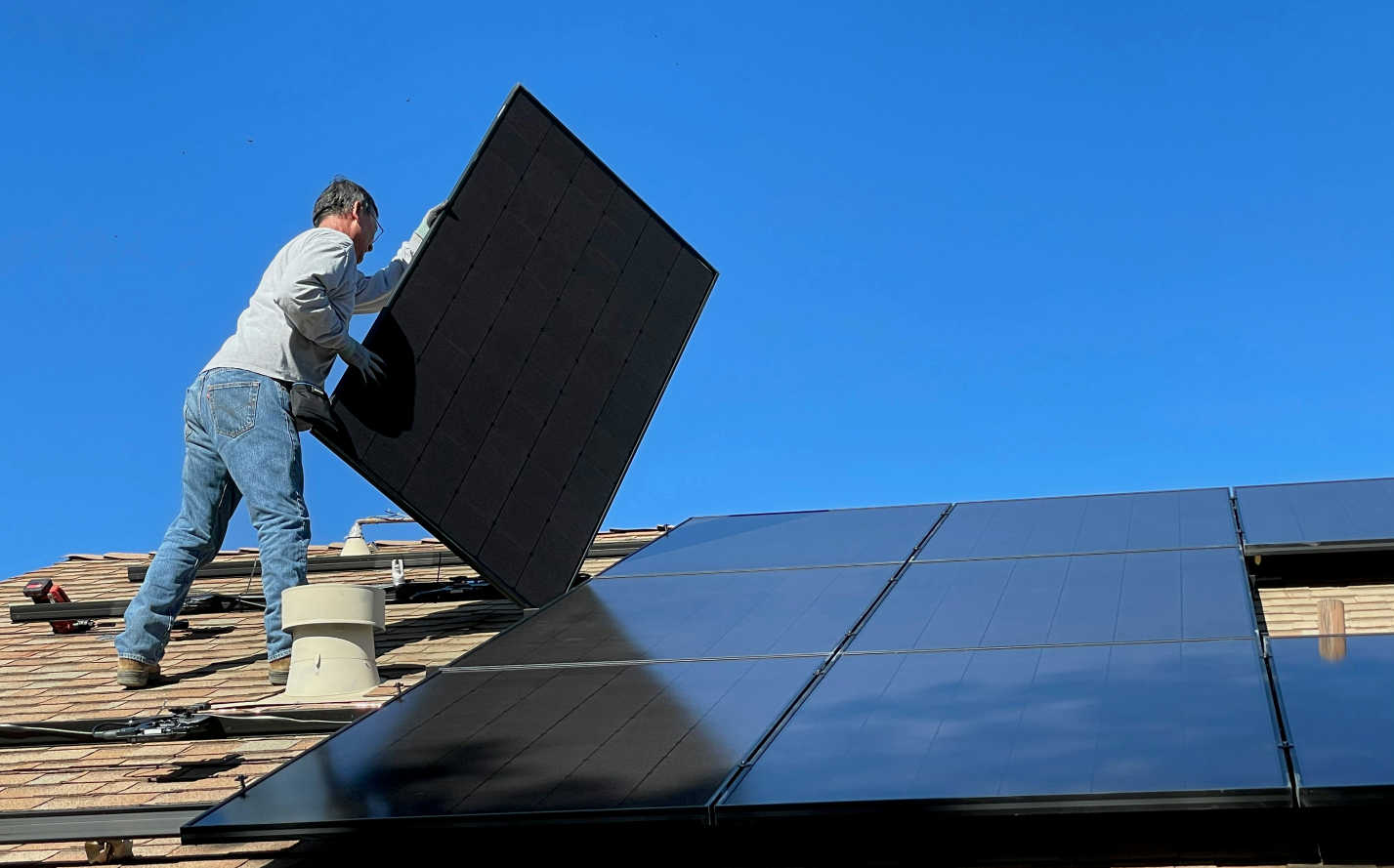
For a typical residential system, installation is completed in less than a day. The crew arrives in the morning, mounts racking to the roof, places panels, runs wiring to the inverter and electrical panel, and installs monitoring equipment.
You don’t lose power during installation. The system is wired into your electrical panel but remains off until inspection and utility approval are complete.
Larger systems, battery installations, or homes requiring electrical panel upgrades may extend installation to 1–2 days.
Residential vs. Commercial Timelines
Residential systems follow the 45–90 day timeline described above. Commercial projects typically take longer due to:
- Larger system sizes requiring more extensive engineering
- Additional zoning and fire code review
- More complex utility coordination
- Structural analysis for flat-roofed buildings
Commercial timelines vary significantly based on project scope. If you’re evaluating commercial solar, contact us directly for a project-specific estimate, see Commercial Rooftop Solar Energy Systems.
How to Keep Your Project Moving
While much of the timeline depends on external agencies, a few things help avoid delays on your end:
Respond quickly to document requests. When Sunwise Energy or the utility needs a signature or document, same-day response keeps the timeline moving.
Submit HOA requests early. If architectural review is required, don’t wait for permit approval to start that process.
Address roof and electrical issues upfront. If your roof is aging or your panel needs an upgrade, identifying this during the initial assessment prevents mid-project delays.
Plan for seasonal demand. Spring and summer are peak installation seasons. Signing earlier in the year often means shorter wait times for permits and installation scheduling.
What Happens After You Sign?
Once you’ve signed a contract, the process moves through five distinct phases: site assessment, permitting, installation, inspection, and utility activation. Each step has clear milestones, and Sunwise Energy manages the entire sequence.
For a detailed walkthrough of exactly what happens at each stage, including what you need to do versus what we handle, see What Happens After You Sign a Solar Contract.
Planning Your Solar Timeline
If you’re weighing solar against other decisions, selling your home, replacing your roof, or locking in energy costs before utility rate increases, the 45–90 day timeline gives you a realistic planning window.
Most of that time requires nothing from you. The physical installation is brief. And once your system is activated, it produces energy for 25+ years with minimal maintenance.
How Sunwise Energy Can Help
Sunwise Energy manages every phase of solar installation in-house, from design and permitting to installation and utility coordination. We set clear timeline expectations upfront, manage permit submissions directly with your municipality, and coordinate utility interconnection so you’re not chasing paperwork.
Our team knows the specific requirements and typical approval times for townships across Pennsylvania, New Jersey, and Delaware. That local expertise means fewer surprises and more accurate scheduling.
Call (610) 228-2480 ext. 1 or schedule a free consultation to get a realistic timeline for your home before you commit.
Frequently Asked Questions
How long does it physically take to install solar panels?
For a typical residential system, physical installation takes less than a day. Larger systems, battery additions, or electrical panel upgrades may extend installation to 1–2 days.
What causes delays in solar installation?
The most common delays happen during permitting and utility approval, processes run by your municipality and utility, which Sunwise submits to and tracks on your behalf. On the homeowner side, HOA approval, roof repairs or document turnaround can add time.
Why does permitting take so long?
Permitting involves review by your local building department and sometimes zoning authorities. Processing times vary by municipality, some approve within a week, others take 4–8 weeks depending on backlog, staffing, and local requirements. New Jersey municipalities tend to have longer processing times than Pennsylvania or Delaware.
What is Permission to Operate (PTO)?
PTO is the official authorization from your utility to turn on your solar system and begin exporting power to the grid. It’s the final step before activation and typically takes 2–6 weeks after your system passes local inspection.
Can I speed up the solar installation process?
You can help by responding promptly to document requests, submitting HOA applications early, and ensuring your roof and electrical panel are ready. Working with an experienced local installer who knows your municipality’s permitting process also reduces avoidable delays.