
What Happens After You Sign up For Solar?
Signed a solar contract? Here's every step from design and permitting to installation and PTO with realistic timelines for PA, NJ, and DE.
In this article
What You’ll Learn
- Every step between signing a solar contract and system activation
- Realistic timelines for each phase in PA, NJ, and DE
- What Sunwise Energy handles versus what you need to do
- Why permitting and utility approval take the longest
- What Permission to Operate means and when to expect it
- How to keep your project on track and avoid common delays
What Happens After You Sign a Solar Contract?
After you sign a solar contract, the process moves through five main phases before your system is producing electricity: site assessment and design, permitting, installation, inspection, and utility activation. The full timeline typically runs 45-90 days for residential systems in Pennsylvania, New Jersey, and Delaware, with the physical installation itself taking less than a day usually. The rest of the time is spent on engineering, paperwork, and waiting for approvals from your municipality and utility.
Understanding each step removes the uncertainty that makes the wait feel longer than it should. Here is exactly what happens and what to expect at each stage.
Step 1: Site Assessment and System Design
Timeline: 1 to 3 weeks after contract signing
After your contract is signed, an engineer or technician visits your property to verify roof condition, structural capacity, sun exposure, shading patterns, electrical panel specifications, and any features that affect panel layout like vents, chimneys, or skylights.
Using this data, the engineering team creates a detailed system design that specifies panel count, panel placement, inverter type, wiring routes, and expected annual production. This design must satisfy local building codes, electrical codes, and the utility’s interconnection requirements.
For most residential systems, design is completed within 1 to 2 weeks. Homes with complex roof geometry, older electrical panels that need upgrading, or structural reinforcement needs may take longer.
What You Need to Do
Provide access to your home and electrical panel during the site visit. Share a recent utility bill if you haven’t already – Sunwise Energy uses this to verify system sizing. Respond promptly to any follow-up questions about your property.
Step 2: Permitting and Utility Interconnection Application
Timeline: 2 to 8 weeks
Once the design is finalized, Sunwise Energy submits permit applications to your local building department and files an interconnection application with your electric utility. These are two separate processes that typically run in parallel.
Building permits require engineered drawings showing the system layout, structural attachment details, and electrical specifications. Your municipality reviews these for code compliance before issuing the permit.
The interconnection application notifies the utility that a solar system will be connected to the grid and requests approval for net metering. The utility reviews the application, confirms grid capacity, and schedules any necessary meter changes.
Permitting timelines vary significantly by location. Some Pennsylvania townships approve within 1 to 2 weeks. Parts of New Jersey can take 4 to 8 weeks due to higher volume and more complex local requirements. Delaware generally falls in between. Sunwise Energy is familiar with local permitting offices and knows what to expect in your area.
What You Need to Do
Very little. Sunwise Energy prepares and submits all permit applications and utility paperwork. You may need to sign the utility interconnection agreement.
Step 3: Installation
Timeline: Less than a day for most residential systems
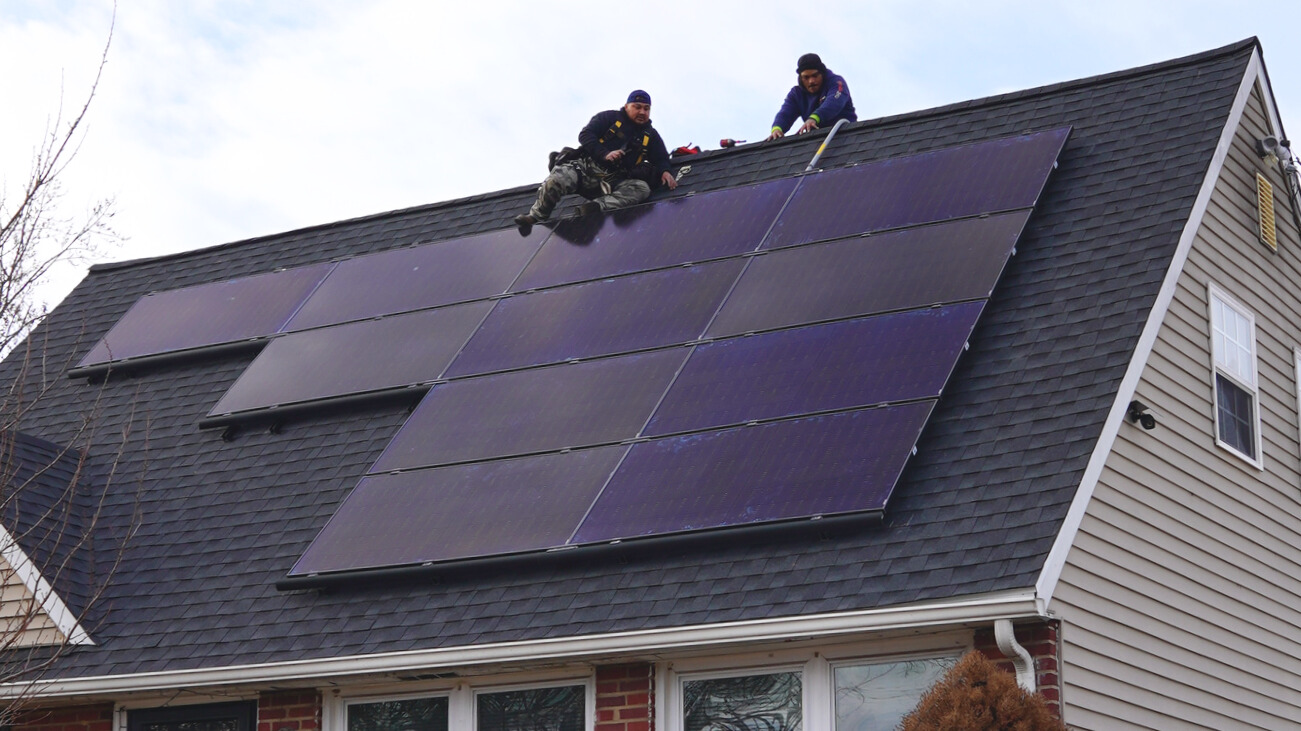
Once permits are approved and equipment is delivered, installation is scheduled. For a typical residential system of 8 to 12 kilowatts, installation is completed in less than a day. The crew mounts racking to the roof, places panels, runs wiring to the inverter and electrical panel, and installs any monitoring equipment.
You do not lose power during installation. The system is wired into your electrical panel but remains off until inspection and PTO are complete.
Larger systems, battery installations, or homes requiring electrical panel upgrades may add a day or two to the installation schedule.
What You Need to Do
Be home or available by phone on installation day. Ensure the crew has clear access to your roof and electrical panel. Move vehicles from the driveway if needed. The crew can walk you through the completed installation before they leave.
Step 4: Inspection
Timeline: 1 to 2 weeks after installation
After installation, a local building inspector visits to verify that the system was installed according to the approved plans and meets all applicable codes. The inspector checks panel mounting, wiring, grounding, and inverter connections. The visit typically takes 1 to 2 hours.
If the system passes, the permit is closed. If minor corrections are needed, Sunwise Energy makes the adjustments and schedules a reinspection. Failing an inspection is uncommon with experienced installers who build to code and pull permits regularly in your area.
What You Need to Do
Be available during the inspection window or arrange for someone to be present. Sunwise Energy coordinates the scheduling and attends the inspection.
Step 5: Permission to Operate (PTO)
Timeline: 2 to 6 weeks after inspection
Permission to Operate is the final step. After your system passes inspection, Sunwise Energy submits the completed documentation to the utility. The utility then installs or reprograms your bi-directional net meter, performs a final review, and issues PTO.
Once PTO is granted, your system can be turned on and begins generating electricity. Any excess production is credited to your utility account through net metering.
PTO timelines depend entirely on the utility. PECO, PPL, and FirstEnergy in Pennsylvania typically process PTO within 2 to 4 weeks. New Jersey utilities can take 3 to 6 weeks during busy periods. Sunwise Energy monitors the application and follows up with the utility if there are delays.
What You Need to Do
Wait. This step is entirely between Sunwise Energy and the utility. Once PTO is issued, Sunwise Energy notifies you and walks you through system activation, including how to use your monitoring app to track production. From there, upkeep is minimal, our solar panel maintenance guide covers the occasional cleaning, visual checks, and monitoring habits that keep your system performing for decades.
How We Keep Your Project Moving
Most delays in the solar process happen during permitting and PTO, both of which run through your municipality and utility. Sunwise submits and tracks those reviews and will contact you when each one clears. A few things on your side keep the project moving:
Delayed HOA approval: If your community requires architectural review, submit the request immediately. Some HOAs take weeks to respond.
Roof condition: If your roof needs replacement, it should be done before solar installation. Coordinating both through Sunwise Energy eliminates scheduling gaps.
Electrical panel upgrade: Older homes with 100-amp panels may need an upgrade to 200-amp service before solar can be connected. Sunwise Energy identifies this during the site assessment.
Slow document responses: When Sunwise Energy or the utility needs a signature or document, responding the same day keeps the timeline moving.
Seasonal demand: Spring and summer are peak installation seasons. Signing earlier in the year often means shorter wait times for permits and installation scheduling.
The Full Timeline at a Glance
Contract signed: Day 0
Site assessment and design: Weeks 1–2
Permitting and utility application: Weeks 3–10 (varies by municipality)
Installation: Under a day once permits are approved
Inspection: 1–2 weeks after installation
PTO and activation: 2–6 weeks after inspection
Total: 45-90 days for most residential systems
How Sunwise Can Help
Sunwise Energy manages every phase of the solar installation process in-house, from design and permitting to installation and utility coordination. Our team keeps timelines clear, communication consistent, and projects moving forward without unnecessary delays.
If you are considering solar or have already signed a contract and want to know what comes next, we are here to answer every question.
Solar Installation Process FAQs
How long does the entire solar installation process take?
Most residential solar installations take 2 to 4 months from signed contract to system activation. The physical installation itself is typically completed in a single day, with larger systems, battery installations or panel upgrades running one to two days, but design, permitting, and utility approvals account for the majority of the timeline.
What is Permission to Operate and how long does it take?
Permission to Operate, or PTO, is the official authorization from your utility to turn on your solar system and begin exporting power to the grid. PTO typically takes 2 to 6 weeks after your system passes local inspection, depending on the utility and their backlog.
Do I need to do anything during the solar installation process?
Very little. Sunwise Energy handles design, permitting, utility coordination, installation, and inspections. You may need to sign utility interconnection forms, provide access to your electrical panel, and be available during installation day. Responding promptly to any document requests helps keep the timeline on track.
What happens if my roof needs repair before solar installation?
If the site assessment reveals your roof needs repair or replacement, it should be completed before solar panels are installed. Sunwise Energy offers bundled roof and solar services so both can be coordinated under one project, avoiding the cost of removing and reinstalling panels later.
Can I use my solar panels before PTO is granted?
No. Your solar system must remain off until the utility grants Permission to Operate. Running the system before PTO violates your interconnection agreement and can create safety issues on the grid. Once PTO is issued, the system can be activated immediately.
Why does solar permitting take so long?
Permitting involves review by your local building department and sometimes zoning authorities. Processing times vary by municipality, some towns approve within a week, others take 4 to 8 weeks depending on backlog, staffing, and local requirements. Timelines vary by municipality across the tri-state area.