
Winter Solar FAQ: Do Solar Panels Really Work In The Cold?
Solar panels work in cold weather, often more efficiently. Learn how winter affects output, what to do about snow, and when batteries help.
In this article
Every winter, the same concern comes up for solar homeowners: “My panels were producing well in July, why does production look so different now?”
Here’s the key thing to understand: solar systems are designed around yearly performance, not perfect daily output. Winter changes production patterns, but cold weather itself isn’t the problem. In fact, cold temperatures often help panels operate more efficiently.
This guide breaks down what actually happens to solar performance in winter, what’s normal, what’s not, and how to think about your system with confidence.
Cold Weather vs. Sunlight: What Actually Matters
One of the most common misconceptions about solar is that panels need heat to work. They don’t.
Solar panels generate electricity from sunlight, not temperature. Photons hit the solar cells, electrons move, and power flows. Heat plays a role, but not the way most people expect.
Solar cells are semiconductors. Excessive heat reduces their voltage output. When panels stay cooler, that voltage drop is smaller, which can actually improve efficiency on clear winter days.
What winter really changes isn’t temperature: it’s sunlight availability:
- Fewer daylight hours
- A lower sun angle
- More frequent cloud cover in many regions
That combination reduces total daily production, even when the panels themselves are operating efficiently.
For a deeper technical explanation, see How Solar Panels Work and How Long They Last.
Why Winter Production Drops (And Why That’s Normal)
Winter output is lower because daylight hours are shorter and the sun sits lower. Your production estimate accounts for that seasonal pattern.
Solar systems are sized to meet annual energy goals, not to match usage perfectly every month. Summer typically overproduces relative to usage. Winter underproduces. Over the full year, it balances out.
Three main factors drive winter production dips:
- Shorter days mean fewer hours of generation
- Lower sun angle reduces how directly sunlight hits the panels
- Cloudier weather lowers light intensity
Daily monitoring shows more variation in winter, since a single cloudy week moves the weekly total noticeably. Zooming out to monthly or yearly views usually tells a much calmer story.
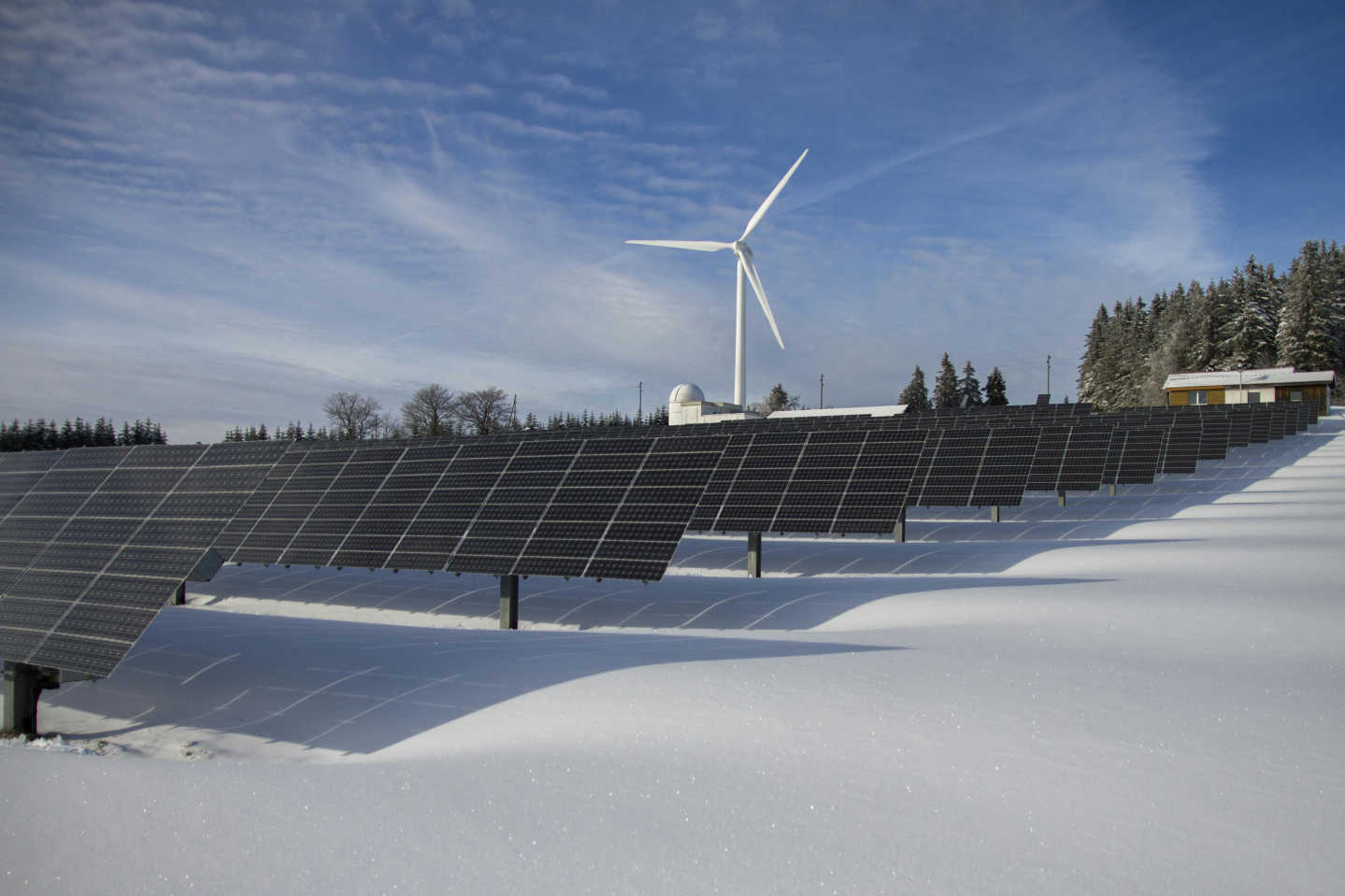
Snow on Solar Panels: What Actually Happens
Snow does affect production, but usually less, and for less time than people expect.
A few things work in your favor:
Panels are installed at an angle. Snow tends to slide off as temperatures rise or sunlight returns.
Thin snow layers can still transmit light. Production may drop but not hit zero.
Dark panel surfaces absorb sunlight. This can help loosen snow naturally without intervention.
Most snow-related losses are temporary. In many cases, panels clear themselves within a day or two after a storm.
Should You Clear Snow Off Your Panels?
For most homeowners, no, and trying to do so can create more risk than benefit.
Climbing onto a winter roof is dangerous. Slippery shingles, ice, ladders, and awkward angles create real fall hazards. Solar systems are designed to account for occasional snow cover as part of annual production estimates.
Clearing snow may make sense only if:
- Panels are safely reachable from the ground
- Snow is heavy and persistent
- You use a soft, non-metal roof rake designed for the purpose
Never scrape panels, chip ice, or use chemicals. Panels are durable, but aggressive clearing can cause damage or leave residue.
For more on roof considerations, see Roof Space Requirements for Solar Panel Installations.
Winter Energy Use vs. Winter Production
Another reason winter feels challenging is that home energy use often rises at the same time production drops.
Longer nights mean more lighting. Heating systems run more often. Holiday activity increases usage. So you may see:
- Lower solar production
- Higher household consumption
Winter demand and winter supply move in opposite directions for a few months, which is why the annual figure is the one to track.
Understanding this seasonal pattern helps set realistic expectations.
Do Solar Batteries Help in Winter?
Yes, with realistic expectations.
Home batteries store excess solar energy when production is strong and make it available later. In winter, they can:
- Smooth day-to-day swings between sunny and cloudy days
- Provide backup power during winter storms and outages
- Reduce grid usage during peak-rate periods (valuable with PECO, PSE&G, and JCP&L time-of-use rates)
Battery runtime in winter depends on production and load. During long stretches of dark, cloudy weather, they may not fully recharge until the sun returns. Their strength is flexibility and resilience, not unlimited winter generation.
For homeowners on time-of-use rate plans in Pennsylvania or New Jersey, batteries offer additional value by avoiding expensive peak-rate grid purchases.
Learn more: How Does Storage Work with Solar Energy?
Can Winter Damage Solar Panels?
Modern solar panels are built to handle harsh weather. They’re tested for:
- Heavy snow loads
- High winds
- Hail impact
- Freeze-thaw cycles
Panels use tempered glass and sealed frames. Mounting systems are engineered to manage weight and stress. When damage does occur, it’s more often due to poor installation, underlying roof issues, or falling debris, not normal winter conditions.
Monitoring helps catch problems early. A sudden, unexplained production drop outside normal seasonal patterns is worth investigating. Gradual seasonal decline is expected.
For more on system reliability, see Solar Warranties: Panels, Production and More.
Simple Winter Solar Maintenance Habits
You don’t need to micromanage your system, but a few habits improve peace of mind:
- Review monitoring monthly instead of daily
- Trim branches that cause winter shading
- Keep gutters clear to reduce ice issues near the array
- After major storms, do a ground-level visual check for obvious debris or damage
These steps support long-term performance without unnecessary risk.
Winter Solar Works, Just Differently
Solar doesn’t stop when temperatures drop. Winter simply changes the rhythm. Shorter days and cloud cover reduce output, but systems are designed with that reality in mind.
If you understand what’s normal, winter solar becomes predictable instead of stressful.
How Sunwise Energy Can Help
If you want to understand what “normal” winter performance looks like for your home, Sunwise Energy can help review your monitoring data, system design, and seasonal expectations. We’ll explain what you’re seeing, answer questions clearly, and help you plan upgrades like battery storage if resilience is a priority.
Call (610) 228-2480 ext. 1 or schedule a consultation to get a winter performance review and go into the season informed.
Frequently Asked Questions
Do solar panels still work in freezing temperatures?
Yes. Cold temperatures do not stop solar production and can slightly improve panel efficiency. Sunlight, not heat, drives output.
Is it normal for production to drop in winter?
Yes. Shorter days, lower sun angles, and more frequent cloud cover reduce monthly output. Systems are designed around yearly performance, not seasonal peaks.
Will snow permanently damage my panels?
No. Properly installed panels are engineered to handle snow load and winter weather conditions.
Should I worry if my bill goes up in winter?
Not necessarily. Winter energy use often rises while solar production dips, creating a temporary gap that balances out over the full year.
Do batteries make sense in winter?
Batteries help with backup power and smoothing daily usage, but they don’t replace sunlight during extended cloudy periods. They’re most valuable for outage protection and avoiding peak utility rates.