
Flexible Solar Financing Options
Solar payment options can change upfront cost, ownership, monthly obligations, and total cost. Sunwise can help you compare available cash, loan, lease, and PPA proposals side by side.
Lease / PPA
With a lease or power purchase agreement (PPA), a third party generally owns the system. A lease generally charges for use of the equipment; a PPA charges for the electricity produced. The written agreement controls the rate, fees, escalators, maintenance, purchase, and transfer terms.
Benefits
- Upfront amount depends on the written offer
- Maintenance duties are defined by the agreement
- Review the rate, escalator, production terms, and fees
- Payment
- Lease: Fixed monthly payment for equipment · PPA: Fixed or variable rate for solar power
- System Owner
- Financing partner
Solar Loan
A solar loan finances an owner-purchased system. Down payment, APR, fees, term, payment schedule, and approval depend on the lender’s written offer.
Benefits
- $0-down offers may be available to qualified applicants
- You own the system and the electricity it produces
- Payment schedule follows the lender agreement
- Payment
- Monthly payments until the loan is fully paid · After payoff, the solar-loan payment ends; utility charges may still apply
- System Owner
- You own the system
Cash Purchase
Buy your system outright and receive the maximum long-term savings. Once installed, there is no monthly solar-loan payment; utility charges may still apply.
Benefits
- No loan interest or lender fees
- Full ownership and full control
- Incentive eligibility depends on current program and tax rules
- Payment
- Payment schedule stated in the purchase agreement
- System Owner
- You own the system
Actual savings will vary for each customer based on energy usage, system size, utility rates, and eligibility for local or state incentives. Solar production depends on factors such as weather, shading, and roof conditions, and may change over time. You will continue to receive a utility bill in addition to any solar payment, lease payment, or PPA charge. Utility rate increases or changes in policy may impact your long-term savings.
Sunwise Energy LLC is not a lender and does not make credit decisions. While we partner with financing providers to offer solar loan and payment options, all loan approvals, terms, and conditions are determined solely by the lender.
Sunwise Energy LLC does not guarantee specific savings, production outcomes, or financial returns.

$0 Down Solar Financing
Some lenders or third-party system owners may offer $0-down structures to qualified applicants. “$0 down” describes the upfront payment, not the total cost; payment timing, fees, and activation terms must be confirmed in the written offer.
Common structures include:
- With a $0-down solar loan, the homeowner generally owns the system. Incentive eligibility, payment timing, APR, fees, and other terms depend on current rules and the lender agreement.
- With a $0-down lease or PPA, a third party generally owns the system; pricing, maintenance, escalators, buyout, and transfer terms are governed by the agreement.
Compare the cash price with the total financed or contracted cost, and include remaining utility charges before deciding.
Solar Financing in PA, NJ, and DE
Compare solar incentives, payment structures, and projected costs across Pennsylvania, New Jersey, and Delaware. Program eligibility and economics depend on current state, utility, system, customer, and contract requirements.

New Jersey
New Jersey’s Successor Solar Incentive program includes the Administratively Determined Incentive for eligible projects, and state tax treatment may apply. Program eligibility, incentive values, ownership of credits, and tax treatment must be verified for the specific project before signing.

Pennsylvania
Pennsylvania supports net metering for eligible customer-generators and has a market for alternative energy credits. Utility rules, credit treatment, project eligibility, and the party entitled to credits vary and should be confirmed for the proposed system.

Delaware
Delaware’s Green Energy Program and utility-specific programs may support eligible projects. Availability, amounts, ownership requirements, and current program rules vary by utility and agreement; verify them before relying on an incentive.
Comparing energy costs? Review local electricity rates.
Planning a business project? Explore commercial solar tax credits.
Why Sunwise Energy?
Sunwise can help you compare available payment structures and identify questions about total cost, incentives, ownership, maintenance, transfer, and timing. Your final payment terms will be outlined in the agreement from your lender or solar provider.
- Project timing includes permits and utility approval
- In-House Teams From Start to Finish
- Equipment and warranty terms reviewed in writing
- Financing terms subject to approval
- Local Service and Ongoing Support




What Our Customers Say
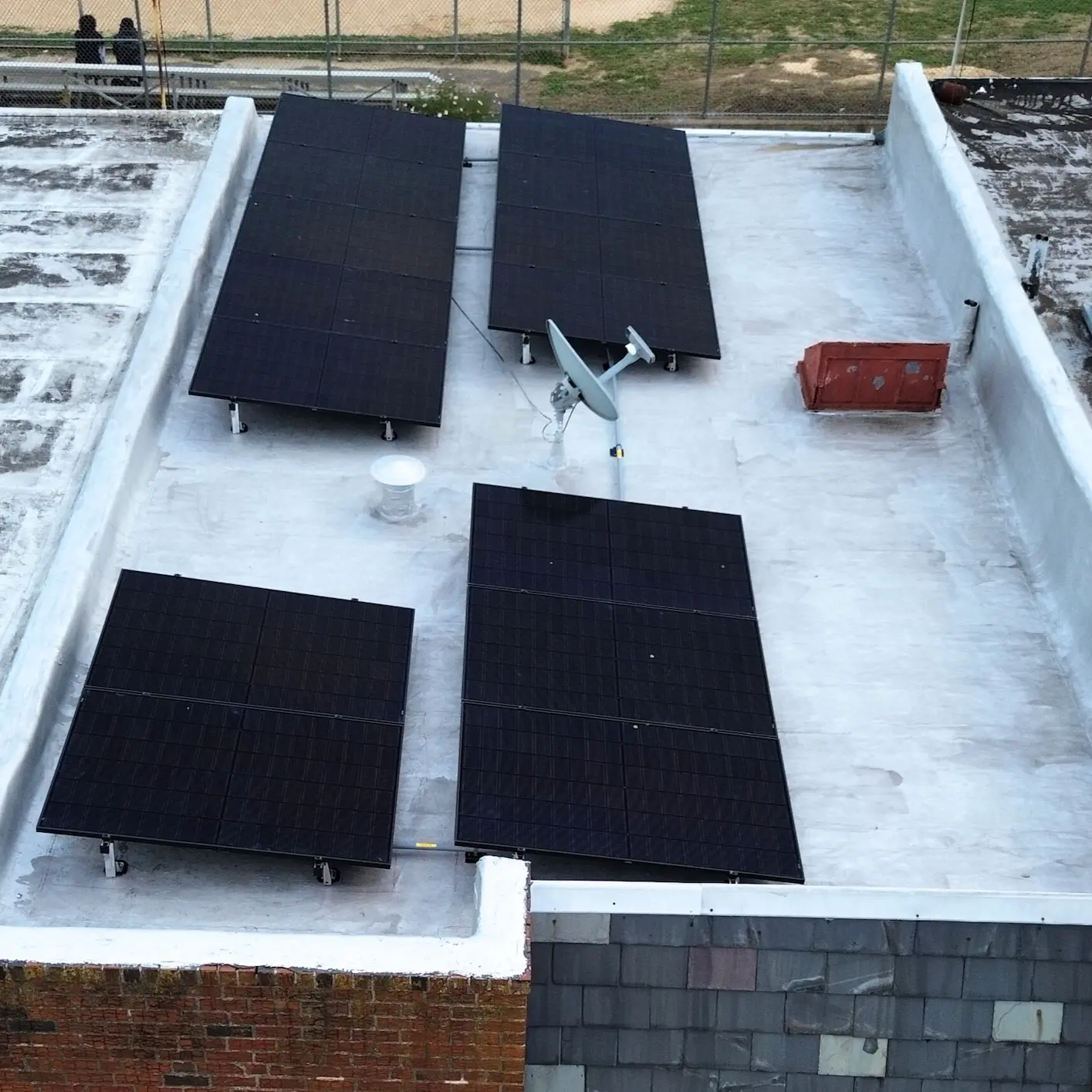
“They were friendly, polite, happy to answer questions and told us exactly what to expect. They were able to resolve a problem caused by another installer quickly and efficiently. Santiago was easy to deal with. Recommend without reservations.”
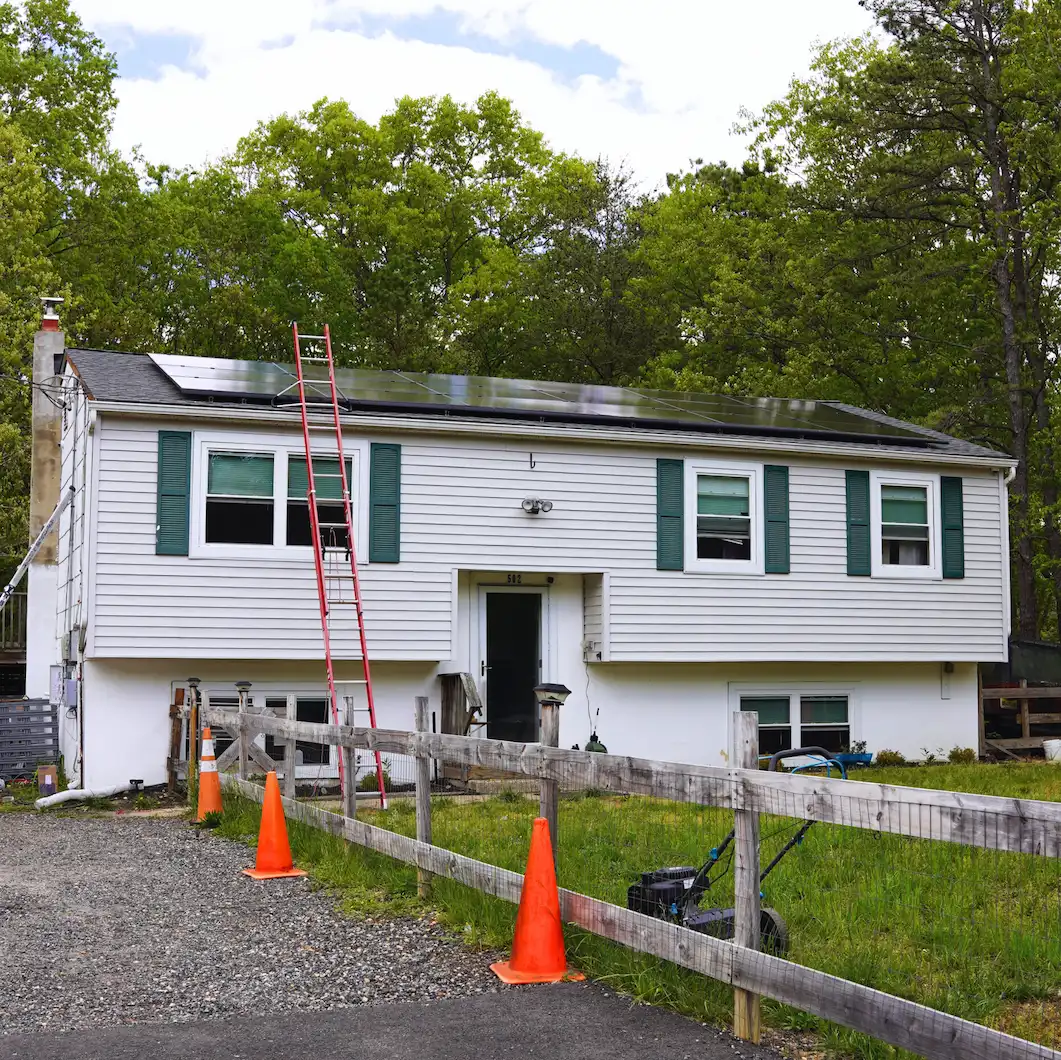
“The hookup was done in 5 days … the system works great and helping me with electric bills. My bill averages at about 20 to 40 dollars it depends on how cloudy the month has been. Will recommend this company to my friends and family”
“We had an issue with the initial install, however they quickly corrected the mistake and made everything right. I feel this says more about the company than a perfect install”
Solar Loan vs Lease vs PPA vs Cash Purchase
The four solar payment options trade off upfront cost, ownership, and lifetime savings differently. Here is how they compare.
| Feature | Lease / PPA Third-party ownership | Solar Loan Homeowner ownership | Cash Purchase No financing |
|---|---|---|---|
| Upfront cost | Varies by provider and approval | $0-down offers may be available to qualified applicants | Purchase price per agreement |
| Ownership | Financing partner owns it | You own the system | You own the system |
| Monthly payment | Lease fee or per-kWh PPA rate | Per lender agreement | None |
| Incentives and renewable-energy credits | Defined by program rules and agreement | Depends on current program and tax rules | Depends on current program and tax rules |
| Maintenance | Financing partner | Owner duties; warranties may apply | Owner duties; warranties may apply |
| Lifetime savings | Depends on total contract cost and performance | Depends on total contract cost and performance | Depends on total contract cost and performance |
| Best fit | Compare escalators, maintenance, buyout, and transfer | Compare APR, fees, term, and prepayment | Compare cash price, reserves, and warranties |
Frequently Asked Questions
See All FAQsWhat are the main solar financing options?
Four common payment structures are a solar loan, lease, PPA, and cash purchase. Who owns the system and receives an incentive or renewable-energy credit depends on the agreement, current program rules, and tax eligibility.
How does $0-down solar financing work?
A $0-down offer may require no initial down payment, but it is not a no-cost system. Ownership, approval, payment timing, total payments, fees, rates, and remaining utility charges depend on the specific lender or third-party agreement.
Can I get solar with bad credit?
Qualification cannot be predicted from this page. Each lender or provider sets its current underwriting criteria; ask whether an application uses a hard or soft credit inquiry and review the written terms before applying.
Are there solar financing options with no credit check?
Credit checks and inquiry types vary by provider. Do not rely on a “no credit check” label alone; ask the provider to identify the inquiry type, approval rules, fees, rate or APR, and term in writing.
Which solar payment option saves the most money?
No payment option guarantees the most savings. Compare the cash price, total payments, rate or APR, dealer and other fees, escalators, maintenance, incentives, remaining utility charges, and expected production using the same assumptions.
What credit score is needed for a solar loan?
There is no universal credit-score requirement for a solar loan. The lender decides eligibility and pricing; request current criteria for the actual offer and ask how the application may affect your credit.
What happens to solar financing if I sell my home?
Sale and transfer outcomes depend on the agreement. Before signing, review due-on-sale, assumption or transfer, payoff or buyout, fees, deadlines, and any buyer-approval requirements.
Is solar loan interest tax deductible?
Tax treatment depends on the loan and the taxpayer’s circumstances. Sunwise does not provide tax advice; consult a qualified tax professional about the specific financing structure.
Is solar financing still worth it in 2026?
It can be worthwhile, but there is no single answer. Compare the cash price and total contracted cost with projected generation, remaining utility charges, maintenance, and current incentives under consistent assumptions; do not treat future utility rates or savings as guaranteed.
What solar incentives can I still claim in 2026?
The federal Residential Clean Energy Credit under Section 25D is not allowed for expenditures made after December 31, 2025, according to current IRS guidance. State and utility programs may still apply, but eligibility and values change and must be verified for the project; benefits may go to the system owner under program and contract rules.
How is a solar lease different from a PPA?
A lease generally charges for use of the system, while a PPA generally charges for electricity produced. The agreement controls rates, escalators, production terms, maintenance, incentives, purchase options, and transfer obligations.
Can I pay off my solar loan early?
Early payoff is available only if the lender agreement permits it. Check the written offer for prepayment penalties, dealer or finance fees, re-amortization rules, and payoff procedures before signing.
Explore how solar leases and power purchase agreements work before comparing proposals.